Sweat, Hops, and Hard Lessons: The Unglamorous Truth About Running a Craft Brewery
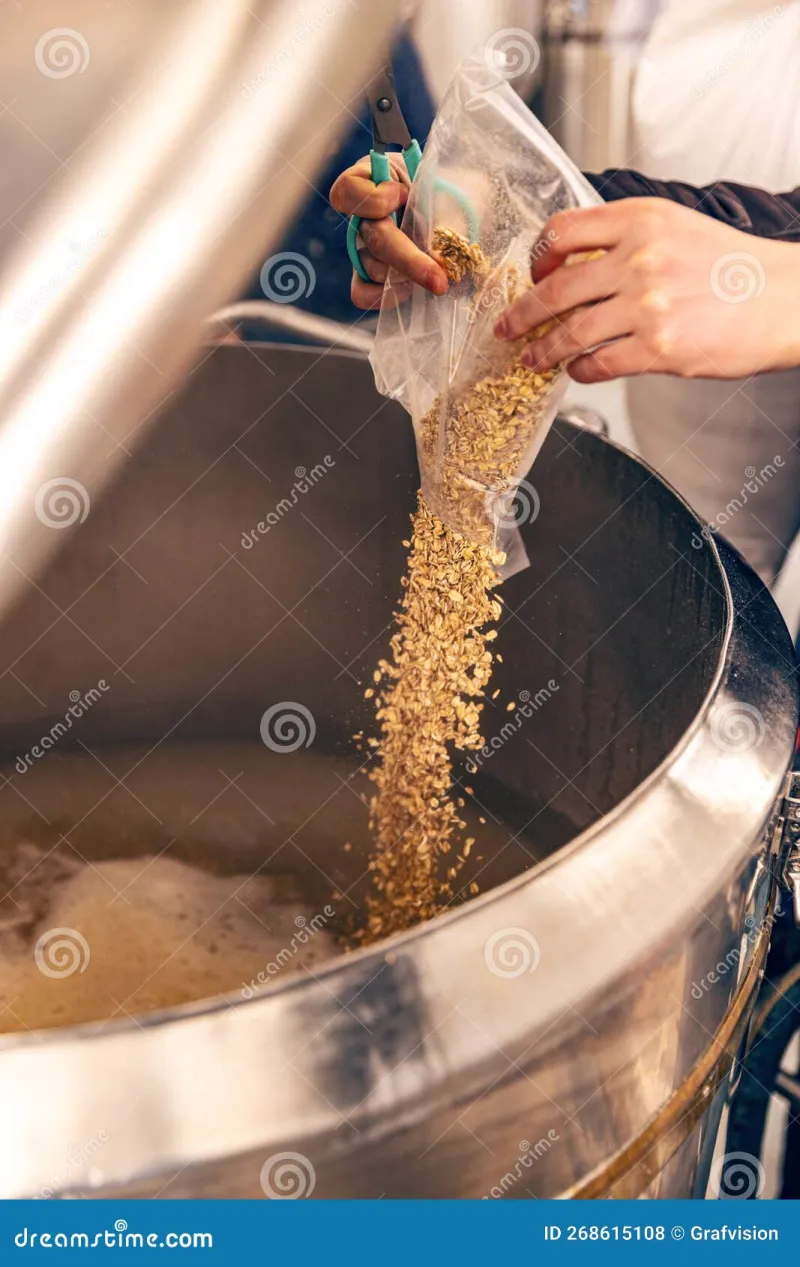
Photo: craft brewer working in small brewery with fermentation tanks, via thumbs.dreamstime.com
There's a version of the craft brewery dream that looks like this: a sun-drenched taproom, a chalkboard full of clever beer names, friends laughing over pints. And sure, that version exists — on Instagram, mostly. The version that doesn't get posted as often involves a broken glycol chiller at 2 a.m., a hop supplier who just tripled their prices, and a bank loan that's starting to feel less like a lifeline and more like an anchor.
We spent some time talking to small-batch brewers from across the U.S. — from a one-barrel nano-brewery in rural Tennessee to a scrappy 10-barrel operation outside of Denver — and what we heard was honest, a little rough around the edges, and genuinely inspiring. Because the people making your favorite local beer? They're not doing it because it's easy. They're doing it because they can't imagine doing anything else.
The Startup Reality Nobody Warns You About
Ask any brewer what surprised them most about opening a brewery, and almost none of them say "the beer." The beer part, most will tell you, is the fun part. It's everything else that'll humble you fast.
"I thought I was buying a brewery," laughs Marcus Webb, co-founder of Ironvine Brewing in Knoxville, Tennessee. "Turns out I bought a plumbing company that occasionally makes beer."
That sentiment echoes across the industry. Small-batch brewing is as much about mechanical aptitude, logistics management, and financial juggling as it is about recipe development. You're sourcing grain, negotiating with distributors, managing taproom staff, staying compliant with state and federal regulations, and somehow still finding time to actually brew. The romanticized version of the craft brewer — flour-dusted, philosophically calm, surrounded by the warm amber glow of fermentation tanks — is, at best, a Tuesday afternoon moment in a week that also includes a health inspection and a keg shortage.
Supply Chains Don't Care About Your Vision
If the pandemic taught the craft brewing world anything, it's that the global supply chain has very little patience for small operators. Aluminum can shortages sent dozens of small breweries scrambling back to bottles or draft-only formats. CO2 prices spiked. Barley and hops — the literal building blocks of beer — became harder to source and significantly more expensive.
"We had a flagship IPA that we couldn't brew for three months because our hop variety was just gone," says Delia Fuentes, head brewer at Trailpost Brewing Co. in Albuquerque, New Mexico. "We either had to reformulate or go dark on the beer. We reformulated. Customers noticed. Some of them were cool about it, some weren't."
That kind of forced adaptation has become a defining characteristic of resilient small breweries. The ones still standing aren't necessarily the ones with the best recipes — they're the ones who learned to pivot without losing their identity. Substitute a malt here, swap a hop variety there, reconfigure the lineup based on what's actually available. It's craft brewing in the truest sense: making something excellent with whatever you've got.
The Mega-Brewery Shadow
Walk into any grocery store in America and you'll see it — a craft-looking label, an independent-sounding name, a price point that no actual small brewery can compete with. Big Beer has been playing in the craft space for years now, acquiring beloved regional brands and launching "craft-adjacent" lines that blur the line for casual consumers.
For genuinely independent breweries, this is more than just a marketing annoyance. It's an existential pressure.
"People come in sometimes and say, 'Oh, I already drink craft beer,' and they mean a brand that's owned by one of the largest beverage conglomerates in the world," says Tom Briley, owner of Copperline Brewing in Missoula, Montana. "I'm not here to shame anybody for what they drink. But I do think transparency matters. When you buy a pint from us, that money goes back into our community. That's a different thing."
The Brewers Association's independent craft brewer seal has helped some consumers navigate the distinction, but awareness remains uneven. Many small breweries have leaned into radical transparency — posting their ownership structure, sourcing information, and even their margins online — as a way to build trust with customers who care about where their money goes.
Why They Keep Going
Here's the thing about every brewer we talked to: not one of them said they'd trade it. Not the sleepless nights before a big batch, not the sting of a beer that didn't land, not the months where payroll felt like a prayer.
"There's this moment when you hand someone a beer you made and they take that first sip and their face just... changes," says Marcus Webb. "That's it. That's the whole reason."
Small-batch brewing in America is, at its core, an act of stubbornness — in the best possible way. It's a refusal to believe that bigger is always better, that efficiency should always trump character, that a beer made by a machine in a facility the size of an airport is somehow equivalent to one made by a person who actually gives a damn about what goes into it.
Here at Lucky Town, we think about that a lot. Every batch we pour carries the weight of a decision someone made to do things the hard way because the hard way produces something worth drinking. That's not a marketing line. That's just the truth about craft beer.
What You Can Do
If this resonates with you — if you've ever stood at a taproom bar and felt that particular warmth that comes from being somewhere genuinely local — here are a few simple ways to support the independent breweries in your area:
- Buy direct when you can. Taproom sales are typically the highest-margin channel for small breweries.
- Look for the independent craft brewer seal on packaging.
- Show up to events. Trivia nights, tap takeovers, anniversary parties — your presence matters.
- Tell people. Word of mouth is still the most powerful marketing tool a small brewery has.
The grit is real. So is the beer. Cheers to the brewers who keep at it.