Tap It Before It's Gone: How Limited Releases Turned Casual Beer Drinkers Into Die-Hard Regulars
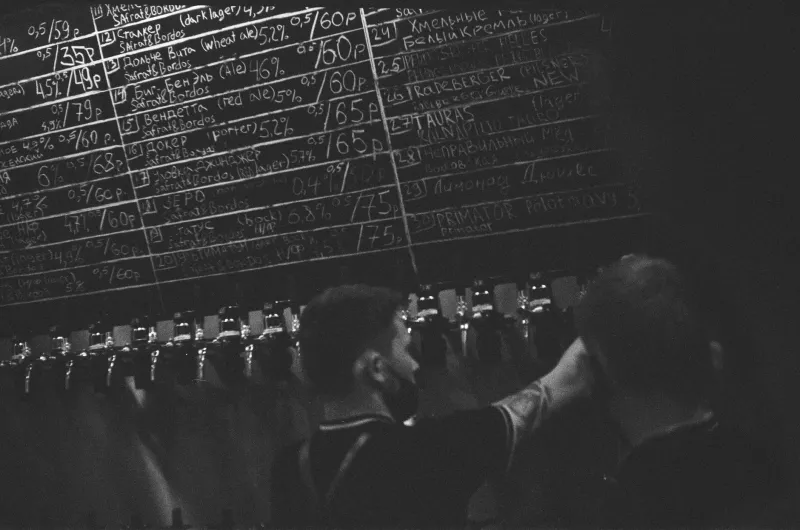
Picture this: it's a Wednesday evening, and a small craft brewery in Nashville posts a single photo on Instagram. No caption. Just a close-up of a deep amber beer in a tulip glass, condensation clinging to the outside, with a handwritten chalkboard sign in the background that reads "Dropping Friday. Noon. One case per person."
By Thursday morning, the comments are blowing up. By Friday at 11:45 a.m., there's a line around the block.
This isn't an accident. It's a strategy—and craft breweries across the country have quietly perfected it into something that feels less like marketing and more like a shared ritual.
The Science of Wanting What You Can't Always Have
Human beings are wired to assign more value to things that are rare. Behavioral economists have a name for it—scarcity bias—and while it's been exploited by sneaker brands, luxury goods companies, and concert ticket platforms for years, craft breweries have figured out how to use it in a way that actually feels genuine.
Unlike a manufactured "limited edition" sneaker drop that's secretly produced by the millions, a small brewery's one-off batch of dry-hopped sour aged in wine barrels really is limited. There might be 10 kegs. There might be 200 cans. When it's gone, it's gone—and that authenticity is exactly what makes the scarcity feel earned rather than engineered.
The result? Beer enthusiasts don't just want the beer. They want to be part of the moment. They want the bragging rights, the story, the ability to say they were there when the taproom tapped the first keg of that experimental Belgian quad that won't exist again until next winter—if ever.
Seasonal Drops: Giving People a Reason to Come Back
Before the craft beer boom, seasonal releases were pretty simple. A pumpkin ale shows up in September. A winter warmer hits shelves in November. You know what's coming, you grab it, done.
Modern craft breweries have taken that concept and pushed it somewhere far more interesting. Instead of predictable, calendar-driven rotations, many are now treating their seasonal lineup like a rotating gallery—something that rewards the regulars who pay attention and surprises the newcomers who stumble in on the right weekend.
Breweries like Hill Farmstead in Vermont, Jester King in Texas, and Cascade Brewing in Oregon have built cult followings in part because their seasonal and limited offerings feel like events. There's anticipation built in. Fans follow along, track release dates, and plan road trips around taproom-only pours.
For smaller neighborhood taprooms, the same principle applies on a more intimate scale. A summer wheat brewed with locally grown peaches might only exist for six weeks. A smoked porter that comes out every November might be available for just one weekend. That scarcity trains your regulars to show up—and to bring friends.
The FOMO Engine: Social Media and the Art of the Tease
None of this works quite as well without social media, and breweries know it. The limited release has become almost inseparable from the Instagram tease, the vague Facebook post, the cryptic tweet that makes your most engaged followers feel like insiders.
When a brewery drops hints about an upcoming release—a photo of barrels, a mention of a new hop variety, a behind-the-scenes shot of the canning line—they're not just generating buzz. They're inviting their audience into the process. Followers feel like they're watching something come to life, and that emotional investment makes the eventual release feel personal.
This kind of content also spreads organically. A regular who scores a four-pack of that hazy double IPA is going to post about it. Their followers are going to ask where they got it. Some of those followers are going to make a mental note to show up next time. The brewery's marketing budget for that release? Sometimes close to zero.
Building the Inner Circle: Bottle Clubs, Mug Clubs, and Early Access
For breweries that want to take the loyalty piece even further, limited releases pair naturally with membership programs. Bottle clubs and mug clubs have been around for a while, but the best ones have evolved into something closer to a VIP experience.
Members might get early access to limited drops—first crack at that barrel-aged barleywine before it opens to the public. They might receive exclusive small-batch beers that never hit the taproom floor at all. Some breweries do member-only release events, turning what would otherwise be a regular Friday afternoon into a low-key party for their most dedicated fans.
These programs do double duty. They generate predictable revenue for the brewery and they deepen the sense of belonging for the customer. When someone is part of a bottle club, they're not just a customer anymore—they're invested. They're rooting for the brewery to succeed. They tell their friends. They leave five-star reviews. They show up even when there's nothing special dropping, just because it feels like their place.
The Risk: When Scarcity Becomes Frustrating
It's worth being honest about the downside here, because there is one. Scarcity can tip from exciting to alienating pretty quickly if it's not handled with care.
Beer fans have long memories. If a brewery consistently sells out before noon and never increases production, never offers any kind of equitable access, and seems more interested in the hype than the hospitality—people notice. The line between "this is special" and "this is impossible" is thinner than it looks.
The breweries that do this well are the ones that treat the limited release as an invitation, not a gatekeeping exercise. They communicate clearly about when things drop and how much is available. They don't manufacture artificial shortages on beers they could easily produce more of. And they make sure that even the folks who don't score the rare bottle still have a great experience at the taproom that day.
Luck, after all, only goes so far. The breweries that build real, lasting communities are the ones that back up the buzz with genuinely great beer and a taproom that feels worth the trip—whether you walked out with a four-pack of the limited release or just a pint of the house lager.
The Bottom Line
Limited releases and seasonal drops aren't just a sales tactic. At their best, they're a way of sharing something real—a batch that took months to develop, a collaboration that might never happen again, a beer that captures exactly what late October tastes like in your corner of the country.
When breweries get that balance right, the line out the door on a Thursday morning isn't just about FOMO. It's about people who genuinely love what a brewery is doing and don't want to miss a single chapter of the story.
And honestly? That's a pretty great reason to set an alarm.