From One Grain Bill to a Whole Movement: What Happens When a Brewery Goes Stubbornly, Beautifully Local
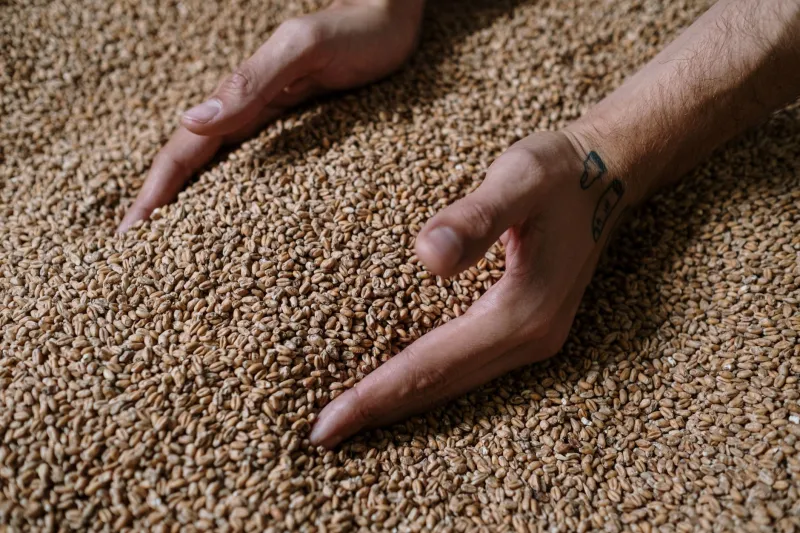
There's a certain kind of decision that looks reckless from the outside—the kind where you're sitting in a taproom, staring at a spreadsheet, and thinking, this is either going to be the best call we've ever made or the thing that sinks us. For a growing number of American craft breweries, that decision was simple in concept and brutal in execution: go all-local. Every grain. Every hop. Every adjunct. If it doesn't grow within a day's drive, it doesn't go in the kettle.
What happened next wasn't just a story about better beer. It was a story about economics, community, and the surprising power of a single brewery's stubbornness.
The Constraint That Changed Everything
Most breweries treat local sourcing as a marketing checkbox—a line on the menu that reads "locally-sourced hops" next to a beer that otherwise ships in malted barley from overseas. That's not a knock; running a brewery is hard, and ingredient logistics are a genuine nightmare. But a handful of operations across the country have taken a more radical position: local isn't a garnish, it's the whole meal.
The pivot usually starts with one ingredient. A brewer connects with a nearby hop yard, falls in love with the aromatics of a variety grown in their own county's soil, and starts wondering what else is out there. Then comes the grain. Then the honey, the fruit, the herbs. Before long, the brewery isn't just buying local—it's dependent on local, in the best possible way.
That dependency creates something unexpected: accountability. When your malt comes from a farm forty miles away and you're on a first-name basis with the farmer, you're invested in that farm's success in a way that a purchase order to a national distributor never produces. You start paying attention to the harvest. You talk about weather patterns. You adjust your recipes based on what's actually growing, not what the catalog says is available.
That's not a limitation. That's terroir—the same concept that makes wine from one valley taste completely different from wine grown twenty miles away. And American craft brewers are finally starting to apply that thinking to beer.
The Domino Effect No One Saw Coming
Here's where it gets interesting. When one brewery in a region commits fully to local sourcing, it doesn't just change that brewery's supply chain—it changes what's possible in the entire region.
Farmers who never considered growing malting barley start doing the math when a local brewery offers a guaranteed purchase contract. Hop growers who've been selling rhizomes to home brewers suddenly have a reason to scale up. Small-batch maltsters—the people who actually process raw grain into the malt that brewers use—begin to emerge in places that haven't had a malthouse in a century.
And then the neighboring breweries notice.
It usually starts with curiosity. A brewer from down the road stops by, tries a pint, and asks where the grain came from. Then they reach out to the same farmer. Then a third brewery does the same. Suddenly there's enough regional demand to support infrastructure that none of them could have justified alone—a shared cold storage facility, a regional hop cooperative, a maltster who can afford real equipment because they have three steady clients instead of one.
This is the ripple effect in action. One brewery's commitment creates a market. That market attracts producers. Those producers supply multiple breweries. And the whole regional ecosystem gets stronger, more resilient, and more interesting.
Why "Interesting" Matters More Than You Think
From a pure beer quality standpoint, hyper-local sourcing does something that money can't easily replicate: it makes your beer unrepeatable anywhere else.
When you're brewing with grain grown in a specific region's soil, with hops that have adapted to that region's climate, you're producing something that carries a genuine sense of place. Drinkers can feel that, even if they can't articulate it. There's a reason people travel to breweries—not just for the beer, but for the experience of drinking something that couldn't exist anywhere else.
That distinctiveness is increasingly valuable in a crowded craft market. There are over 9,000 craft breweries operating in the United States right now. Standing out on hop variety or ABV alone is nearly impossible. But standing out because your beer genuinely tastes like where it comes from? That's a story that sells itself.
Local sourcing also builds a kind of brand loyalty that advertising can't manufacture. When your customers know that their pint of amber ale helped support a family farm in the next county, they're not just buying a beer—they're participating in something. That's a powerful feeling, and it brings people back.
The Hard Part Nobody Talks About
Let's be honest: going all-local is not a smooth road. Ingredient consistency is a real challenge when you're working with small farms that don't have the quality control infrastructure of industrial suppliers. A wet summer can change your hop harvest dramatically. A bad barley year means adjusting recipes mid-season. You're at the mercy of weather, soil, and biology in ways that a brewery sourcing from a national distributor simply isn't.
The cost is also higher, at least initially. Local grain and hops often carry a price premium over commodity ingredients, and that difference has to go somewhere—usually into the pint price, which requires customers who understand and value what they're getting.
But the breweries that have made this commitment consistently say the same thing: the constraints made them better. When you can't just order a different hop variety to fix a recipe, you have to get creative. You learn your ingredients more deeply. You develop relationships with producers that make you a better brewer, because you're thinking about the whole chain from field to glass.
And over time, as regional supply chains mature, the cost gap closes. When there's a thriving maltster two counties over because three local breweries helped create the demand for one, everyone's ingredient costs come down.
What a Real Local Ecosystem Looks Like
The most exciting thing about this movement is that it's not theoretical anymore. Across the country—in the Pacific Northwest, the upper Midwest, the Mid-Atlantic, the South—regional craft beer ecosystems are taking shape around breweries that decided to go all-in on local.
These ecosystems look different in every region, shaped by what grows there, what the soil produces, and what the local farming community is willing to experiment with. A brewery in the Southeast might anchor its identity around locally grown sorghum and muscadine grapes. One in New England might build around heritage grain varieties and foraged botanicals. A Midwestern operation might partner with corn and wheat farmers who've never thought of themselves as brewing suppliers.
In each case, the brewery is doing something more than making beer. It's functioning as an anchor institution—the entity that makes the whole local network viable.
The Lucky Town Angle
At Lucky Town Brewing, we've always believed that great beer comes from commitment—to craft, to community, to the idea that what you pour matters. The breweries leading this local sourcing movement are living that belief in one of the most concrete ways possible: by tying their success directly to the success of the farms and producers around them.
That's not luck. That's grit. And it's the kind of decision that, even when it's hard, tends to make everything around it a little bit better.
Next time you're at a taproom and the menu mentions a local farm by name, take a second to think about what went into making that possible. Somebody made a stubborn, beautiful decision—and a whole region is better for it.