Wood, Time, and a Whole Lot of Faith: The Risky Magic of Barrel-Aged Beer
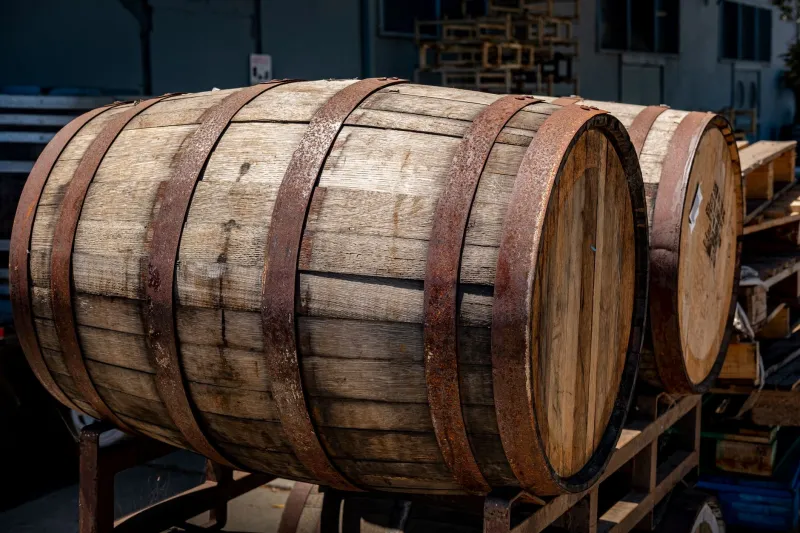
There's a moment every barrel-program brewer knows well. You pull a sample from a freshly filled cask — bourbon-soaked oak still dripping, the beer inside young and rough — and you taste something that isn't quite right yet. It's tannic, maybe too boozy, a little awkward. And then you put the bung back in, roll it into the dark corner of a warehouse, and walk away for six months.
That's the job. That's the gamble.
Barrel-conditioning is craft brewing's most patient and most expensive art form. It asks brewers to tie up capital, floor space, and creative energy in a product that may not see a tap handle for a year or more — and that might not turn out the way anyone planned. For the breweries that do it well, though, the payoff isn't just a great beer. It's a signature. A statement. A reason people drive two hours on a Saturday morning to wait in line.
What the Wood Actually Does
Let's start with the science, because there's more going on inside a barrel than most drinkers realize.
Wood is porous. That's the whole point. When beer rests inside a used spirit barrel — most commonly bourbon, but also rye whiskey, rum, wine, brandy, and even hot sauce barrels these days — it's not just sitting there. It's breathing. Tiny amounts of oxygen seep through the staves, softening harsh alcohols and encouraging slow oxidation that builds complexity without turning the beer flat or stale. Meanwhile, the beer is pulling vanillin, lactones, and tannins directly from the wood itself, compounds that contribute flavors ranging from vanilla and coconut to toasted caramel and dry spice.
On top of that, the residual spirit soaked into the barrel's grain doesn't just flavor the beer — it fundamentally changes its character. A stout aged in a bourbon barrel isn't just a stout with bourbon notes. The interaction between the beer's roasted malts, the oak's tannins, and the whiskey's congeners creates something that couldn't exist any other way.
And that's before you factor in wild yeast and bacteria, which is a whole other rabbit hole. Sour barrel programs — where brewers intentionally allow Brettanomyces, Lactobacillus, or Pediococcus to work their way into the equation — can produce beers of staggering complexity. They can also produce something you'd pour down a drain. The line between brilliance and disaster is thinner than most people outside the industry appreciate.
The Inventory Problem Nobody Talks About
Here's the part of barrel aging that doesn't make it onto the tap list description: it is brutally expensive to run a serious program.
A used bourbon barrel costs anywhere from $100 to $200 depending on sourcing and condition. Fill it with a high-gravity imperial stout brewed specifically for aging, and you're looking at real ingredient costs on top of that. Now multiply by a few dozen — or a few hundred, if you're running a dedicated program — and store them in a temperature-controlled space for twelve to twenty-four months. That's a significant chunk of a small brewery's working capital just sitting on the floor, not generating a dime.
Then there's the loss. Evaporation through the wood — what distillers romantically call the "angel's share" — can claim anywhere from five to fifteen percent of the volume over a long aging period. Some batches don't develop the way you hoped and get blended out or dumped entirely. Others take longer than planned, pushing back release timelines and scrambling event schedules.
Breweries that run successful barrel programs aren't just talented brewers. They're also disciplined financial operators who've figured out how to absorb the cost of patience without going underwater.
The Breweries That Made It Work
Across the country, a handful of craft breweries have turned barrel programs into genuine cultural moments.
Goose Island in Chicago essentially wrote the modern playbook with Bourbon County Brand Stout, first released in 1992 and now an annual Black Friday event that generates serious fanfare. Dark Lord Day at 3 Floyds Brewing in Munster, Indiana turned a barrel-aged release into a full-blown festival with its own mythology. Firestone Walker's Parabola and Sucaba have earned devoted followings in California's central coast wine country, where the brewery leans into its winemaking-adjacent heritage to justify aging programs that most beer operations wouldn't dare attempt.
What these breweries share isn't just great beer. It's the willingness to treat time as an ingredient — and to communicate that philosophy to their customers in a way that builds genuine anticipation rather than frustration.
Smaller operations are doing it too, often with even more creative approaches. Breweries are aging saisons in Chardonnay barrels, putting session IPAs through brief oak conditioning to add texture without weight, and experimenting with stacking — running the same beer through multiple barrel types in sequence to build layered complexity. The format has never been more varied, and the ceiling has never been higher.
Why Patience Is the Rarest Ingredient
In an industry that increasingly rewards speed — hazy IPAs brewed and canned in two weeks, seasonal releases rolling out on tight quarterly schedules — barrel aging is almost a philosophical counterstatement. It says: this beer is ready when it's ready, and not before.
That mindset doesn't come naturally to everyone. Craft brewing attracts people with high energy and strong opinions, folks who want to see results and iterate fast. Barrel programs demand the opposite: the ability to commit to a decision and then leave it alone, to resist the urge to pull samples every week, to trust that the wood and time are doing what they're supposed to do.
The brewers who thrive in this space tend to talk about barrel aging the way woodworkers talk about hand-cut joinery or chefs talk about a long braise. There's a reverence for the process itself, separate from the outcome. You do the work right, you give it the time it needs, and then you see what you've got.
Sometimes what you've got is extraordinary. A beer with depth and warmth that you couldn't have engineered any other way, something that tells a story about the grain it was brewed from, the barrel it slept in, and the season it spent resting in a quiet warehouse while the rest of the world moved at its usual frantic pace.
Sometimes it doesn't work out. That's part of it too.
The Lucky Town Take
We've always believed that the best things in craft brewing can't be rushed. That's as true of a well-developed taproom community as it is of a beer aging quietly in American white oak. The breweries that build barrel programs aren't just chasing prestige — they're making a statement about what they value and what kind of operation they want to run.
If you've never tried a well-made barrel-aged release, find one this fall. Look for the brewery's notes on aging time, barrel origin, and base beer style. Taste it slowly. Think about the months that went into the glass in front of you.
Then tip your pint to whoever had the guts to wait.