Knock on Wood: The Strange Rituals Brewers Swear By and the Real Reason They Work
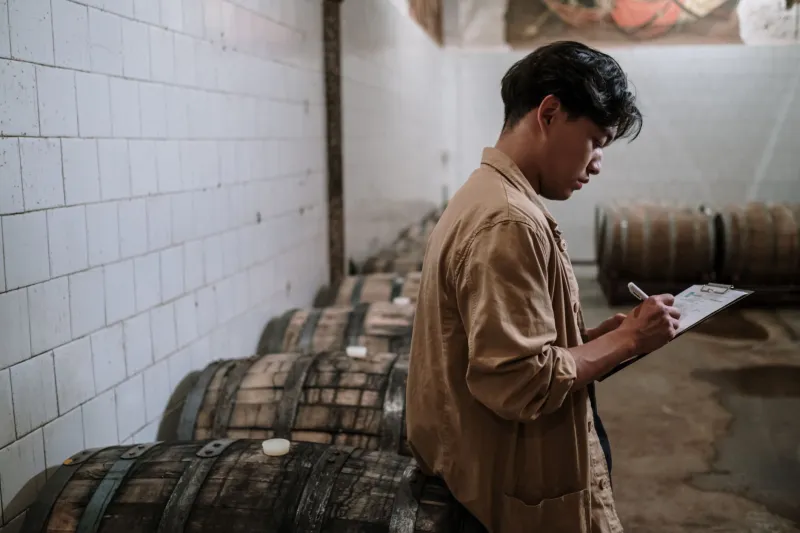
There's a brewer in Portland, Oregon who refuses to start a batch if he's left his lucky bottle opener at home. Not a special opener—just a beat-up, magnetic fridge magnet kind he grabbed at a gas station years ago. If it's not in his breast pocket, he drives back to get it. Every single time.
And here's the thing: his beer is excellent.
So what's going on? Is the opener doing something? Is he just a little superstitious in an endearing, harmless way? Or is there something more interesting happening beneath the surface of these quirky brewer rituals that, honestly, are way more common than most people in the industry like to admit?
The Superstition Catalog Is Longer Than You'd Think
Spend any real time around craft breweries—talking to the people who actually make the beer, not just pour it—and you'll start collecting stories. One head brewer in Asheville won't let anyone say the word "perfect" about a batch mid-fermentation. A husband-and-wife team in Texas always plays the same Tom Waits album during the mash. A solo operation out of Michigan salts his threshold before every brew day. Literally salts the doorway.
Some rituals involve specific stirring directions. Others are about the order in which ingredients get added—not for any documented technical reason, just because that's how it's always been done and the beer keeps coming out right. There are lucky hats, lucky thermometers, lucky fermentation vessels that nobody's allowed to retire even though they're a pain to clean.
Craft brewing, it turns out, has a rich and deeply unscientific folklore running just beneath its very scientific surface.
Where Does This Stuff Even Come From?
Brewing is old. Genuinely ancient. And for most of human history, brewers had no idea why fermentation worked—they just knew that certain things seemed to help and certain things seemed to jinx a batch. Brewers in medieval Europe often attributed successful fermentation to divine intervention. There were patron saints of beer (still are, technically—Saint Arnold of Metz, look him up). Specific prayers were said over the mash. Certain days were considered unlucky for brewing.
That tradition didn't die when we figured out yeast. It just got quieter and more personal. Modern brewers know exactly what's happening at a biochemical level. They've got digital temperature controllers and pH meters and spectrometers. And they still knock on wood.
Psychologists have a term for this: magical thinking. And before you dismiss it as irrational, consider that research—including well-known studies out of Cologne and Yale—has consistently shown that superstitious rituals actually improve performance. They reduce anxiety. They create a sense of control. They focus attention. In a field where so many variables are genuinely out of your hands, having a ritual that says I have done everything I can do carries real psychological weight.
The Discipline Hidden Inside the Ritual
Here's where it gets really interesting, though. Pull back the curtain on most brewer superstitions and you'll find that the ritual itself is encoding something genuinely useful.
Take the brewer who insists on a specific hand-washing routine before touching anything on brew day. On the surface? Quirky. Maybe a little OCD. But sanitation is one of the most critical—and most commonly botched—elements of brewing. A contaminated batch doesn't just taste bad; it's wasted time, wasted ingredients, and a demoralizing gut punch. That elaborate hand-washing ritual isn't superstition. It's a sanitation protocol that got dressed up in the language of luck because that framing made it stick.
Or the brewer who always adds her hops in the same order, at the same intervals, while humming the same song. The song is superstition. The timing is craft. The consistency she's built into that routine is exactly what keeps her IPAs tasting the way her regulars expect them to taste.
This is the real secret hiding inside brewery folklore: a lot of what looks like magical thinking is actually operational discipline wearing a Halloween mask. The ritual is the container. The discipline is the contents.
Lucky Town Thinking
The name on our door isn't an accident. Luck, as a concept, has always meant something specific around here—not the passive kind where you cross your fingers and hope the universe shows up for you, but the active kind. The kind that shows up when you've done the work, built the systems, and created enough consistency that when something good happens, it has somewhere to land.
That's not so different from what's happening when a brewer drives back home for a gas station bottle opener. The opener isn't the point. The act of going back is. It's a commitment to not starting until everything feels right. Until the checklist—mental or otherwise—is complete. That kind of deliberate, unhurried attention to detail is exactly what separates a great batch from a forgettable one.
Superstition, at its best, is a mnemonic device for excellence.
When Rituals Go Wrong
To be fair, not every brewer ritual is secretly a genius operational hack. Some of them are just habits that stuck around past their usefulness. A few are genuinely counterproductive—like the brewer who avoided changing his fermentation schedule because the current one felt "lucky," even as the market shifted around him and his flagship beer slowly lost relevance.
There's a version of ritualistic thinking that calcifies into rigidity. Where the ritual stops being a container for discipline and starts being a substitute for it. Where "this is how we've always done it" becomes an excuse not to evolve. That's the version worth worrying about.
The healthiest brewery cultures seem to hold both things at once: a reverence for the rituals that create consistency and identity, and a willingness to interrogate them when they stop serving the beer.
So, Luck or Strategy?
Honest answer? Both. And neither. The luck factor in craft brewing is real, but it's not random. It's manufactured—built through repetition, consistency, attention, and yes, the occasional weird ritual that keeps a brewer grounded and focused when the variables start piling up.
The next time you're at a taproom and the brewer mentions something they always do before a brew day—some small, specific, slightly superstitious thing—don't be too quick to smile and move on. Ask them why they started doing it. More often than not, the answer is a story about a batch that went sideways, a lesson learned the hard way, and a ritual that grew up around a determination to never repeat the mistake.
That's not luck. That's grit with good branding.
And honestly? That's the best kind.